
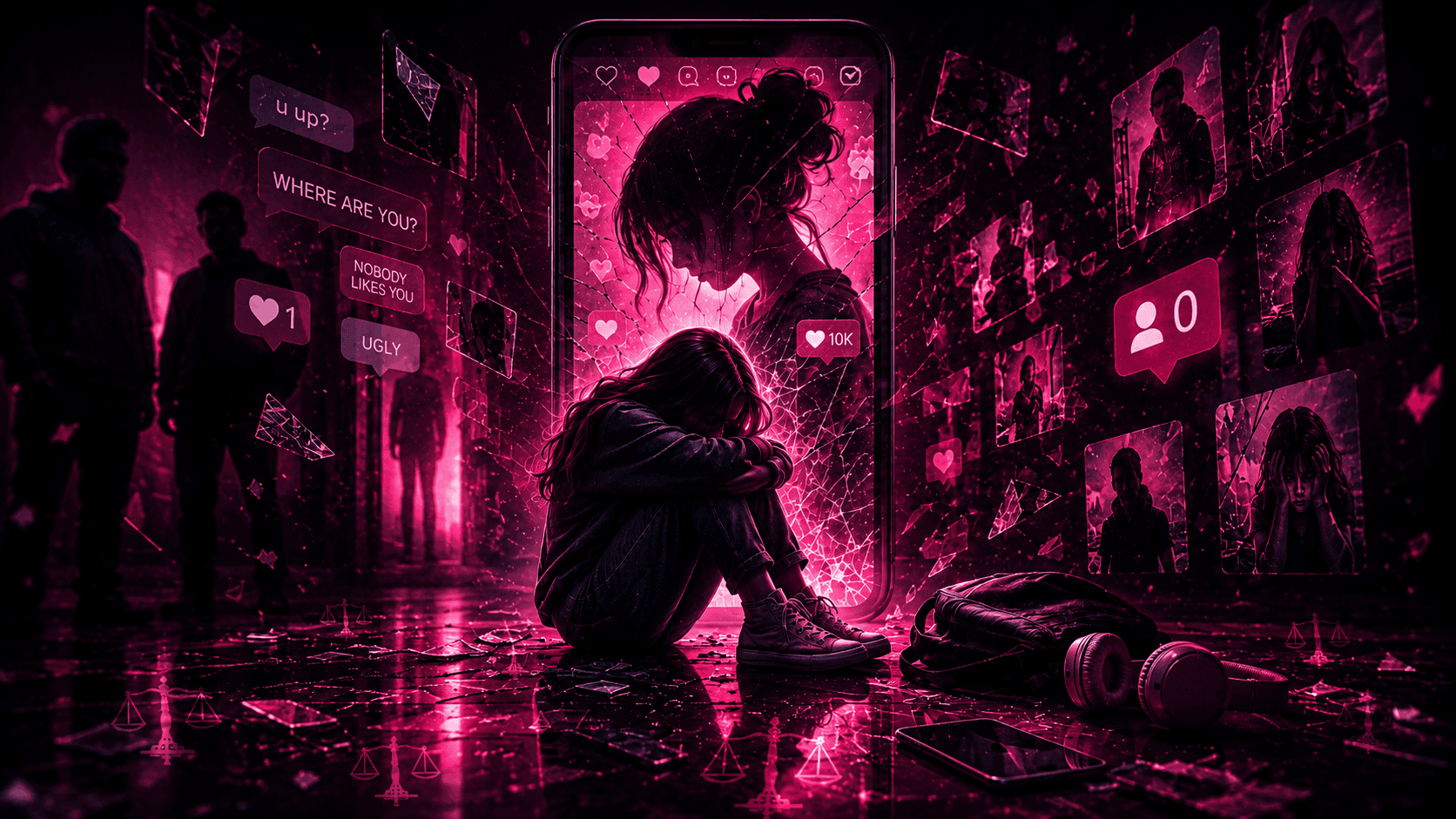
Social media product liability cases treat platforms like Facebook and Instagram as products. They focus on how the platforms are designed, rather than on what users post. That was a key part of New Mexico’s case against Meta.
As Marlo Greer explains in her TikTok on this topic, in New Mexico’s trial against Meta under the state’s Unfair Practices Act, government attorneys focused on the design of Meta’s platforms as products. They also focused on how Meta promoted and used those platforms.
Social Media Product Liability: Platform Design vs. User Content
This was a well-thought-out and ultimately effective tactic. The argument was that Meta knowingly allowed children to create and use accounts, despite policies that appeared to prohibit users younger than 13. Meta also designed its platforms to be addictive, to compel users to return and engage over and over again.
That may or may not be acceptable for adult users, a question that hasn’t been answered yet. For children, deliberately addictive design is dangerous and harmful.
A New Mexico Case Illustrating the Dispute
Undercover investigators in New Mexico posed as young children and created social media accounts that became targets for sexual predators and other adults trying to exploit children. The state convinced the jury these were not isolated incidents. In March 2026, the jury found tens of thousands of violations and assessed the maximum $5,000 penalty for each, for a total of $375 million.
During the six-week trial, the New Mexico attorney general’s office introduced evidence that Meta knew its platforms were deliberately addictive. More seriously, Meta knew children under 13 were using its platforms despite policies that claimed to prohibit it. The state also showed that Meta’s efforts to prevent abuse were ineffective. The jury found that Meta willfully engaged in “unfair or deceptive” as well as “unconscionable” trade practices.
In August 2026, after a second phase before a judge, the court ordered Meta to pay another $567 million, bringing the total to $942 million, along with court-supervised changes. Meta has said it will appeal.
Meta also faces many similar social media product liability lawsuits in other states. Many argue that Meta deliberately designed its products to be addictive and that this design has contributed to a mental health crisis among younger users. For more, read Social Media Harm Lawsuits: What Parents Need to Know, Meta and YouTube Verdicts: Two Different Cases Explained and Meta Social Media Addiction Lawsuit: Trial Ends in Settlement.
If Social Media Harmed You
If you became addicted to social media and suffered mentally or physically as a result, you may have options. Several types of abuse on social media can damage your mental health, including:
- Sexual abuse resulting from someone contacting you via social media
- Bullying and other forms of mental abuse directed at you that happened on social media
- Extortion attempts that relied on threats of disclosing embarrassing or compromising information about you on social media
If any of these happened to you, it may be possible to recover compensation from those responsible. We help clients who have survived physical and mental abuse. Call Greer Law Group at 303-331-6460 or fill out our online contact form for a free case evaluation.