

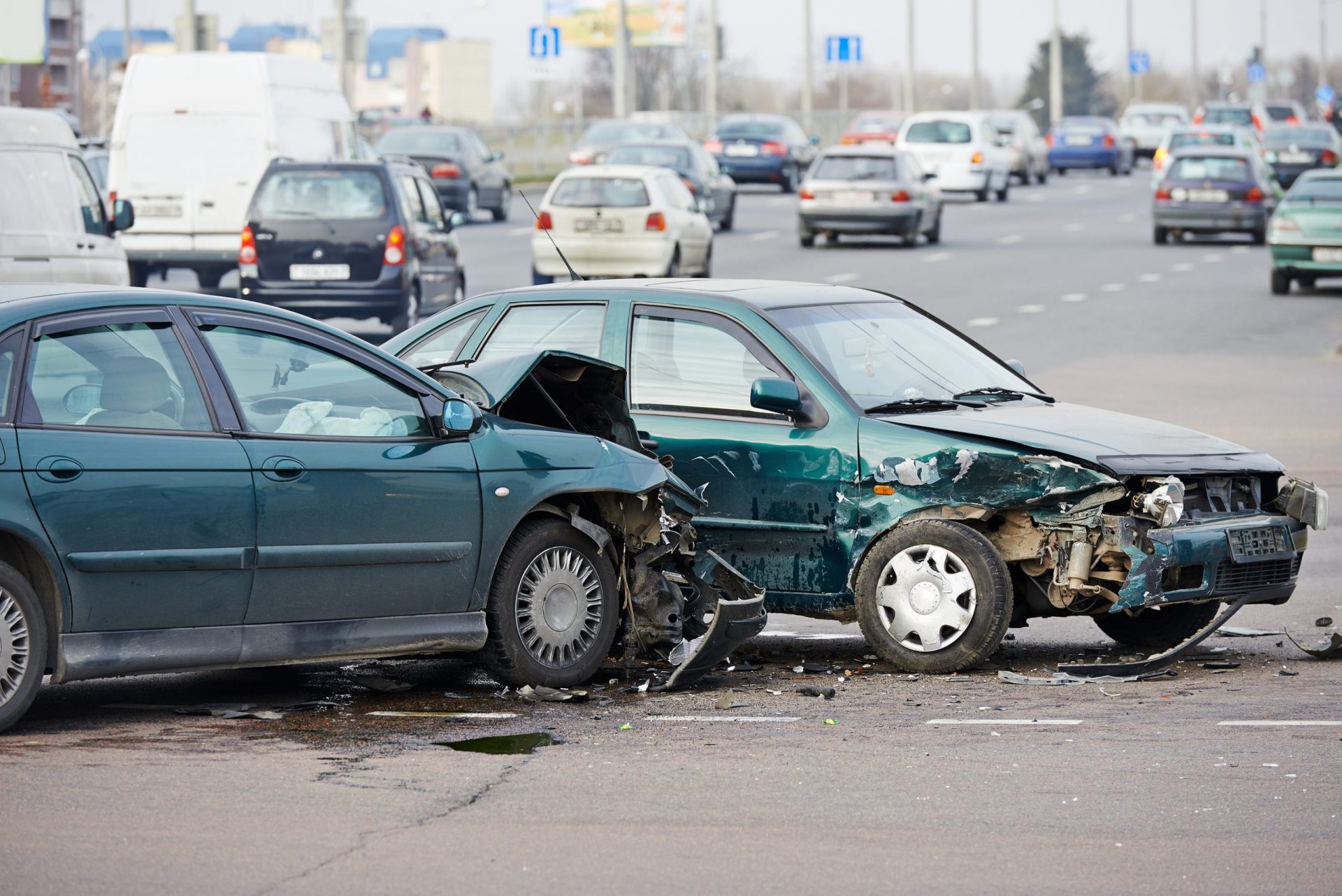
How is fault determined after a car crash in Colorado? By examining the evidence, such as police reports, photos, eyewitness statements and, in some cases, analysis from crash reconstruction experts. Sometimes fault is obvious, like when a driver is drunk or runs a red light, but other cases take more investigation.
Sometimes, it is obvious who is at fault in a car crash. If one driver is drunk or runs a red light, for example, there is usually no question that they are at fault in any crashes they cause. In other cases, however, it can be more difficult to determine which driver is at fault. Determining who is at fault in a car crash in Colorado can be important in determining who will receive damages, insurance payouts, or other compensation, and who will be charged with a traffic violation.
Evidence Used to Determine Fault
- Police reports
- Photos of the scene and the vehicles
- Eyewitness statements
- Crash reconstruction experts, whom your attorney may hire to analyze the crash and give expert testimony at trial
The statements of those involved in the crash carry less weight than the statements of police officers or bystanders who have nothing to lose or gain by their testimony, but you should avoid any admission of guilt, either to the other driver, to the insurance companies involved, or to the police. Even saying “I’m sorry” at the scene of the crash can be used against you later in court, if the case comes to that.
What if the Drivers’ Accounts Conflict?
When drivers tell different stories, statements from police officers and bystanders who have nothing to gain or lose usually carry more weight. Photos and other physical evidence can also show which account fits what happened.
What if There Is No Video of the Crash?
Many crashes are not caught on camera. Fault can still be shown with police reports, photos, eyewitness statements and, when needed, a reconstruction expert.
Is Colorado an At-Fault or No-Fault State?
Colorado is an “at-fault” state. Unlike a “no-fault” state, it allows a driver to file claims against any responsible parties without meeting any particular threshold of damages. Learn more in Is Colorado a No-Fault State for Car Crashes?
What Is Comparative Fault?
Colorado uses comparative fault, so liability is not an all-or-nothing proposition. More than one party can bear some percentage of the fault, and the compensation is adjusted based on those percentages. For example, if you are 10% at fault in your car crash, you could be eligible for 90% of the damages awarded. Learn more in Colorado Comparative Negligence: How Shared Fault Works.
Related Reading
Talk to Greer Law Group About Fault in Your Crash
If you have been in a car crash and are either unsure who is at fault or want to be sure you are not held liable, our car crash attorneys stand ready to take your side. Contact us online or call 303-331-6460.